Sarees
Banarasi Silk: The Woven Heritage of Varanasi
Why a real Banarasi saree takes weeks on the loom, how to recognise one, and how to keep it for a lifetime.
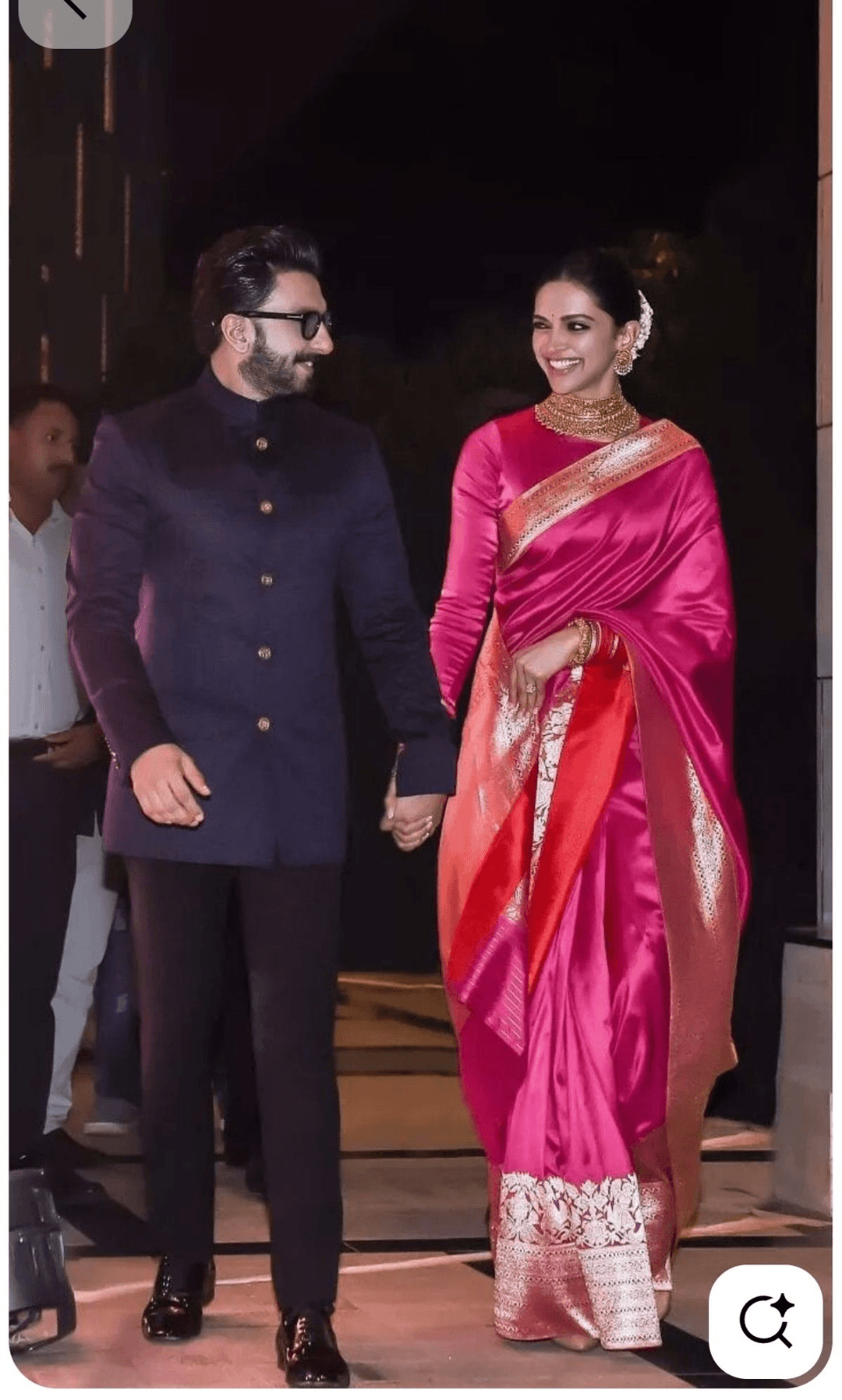
From the sacred city of Varanasi (Banaras) on the Ganges comes one of South Asia's most famous woven fabrics: the Banarasi saree. Its history reaches back to the Mughal era, when Persian motifs met Indian weaving — and to this day a real Banarasi is treated as an heirloom, not seasonal wear.
What makes Banarasi special
The signatures are the dense brocade weave and the metal threads (zari) that form floral vines (buti), borders and a richly patterned pallu. An elaborate piece can take weeks to months on a handloom — the time lives in the weight and the sheen.
Recognising real handwork
Turn the fabric over: on a handwoven piece you will see the carried, sometimes clipped zari threads between the motifs on the reverse — an honest sign of true weaving. Machine-made fabric looks smoother and more uniform on the back. The weight and the deep, calm glow of real silk also reveal quality.
The main varieties
Katan refers to pure, twisted silk. Organza (kora) and georgette Banarasis are lighter and drape more softly. Jangla, Tanchoi and cutwork describe different patterning and weaving techniques — from densely patterned to fine and translucent.
Care for a lifetime
Store Banarasi silk in a cotton cloth, never in plastic, and refold it every few months so the zari does not crack. Clean only by professional dry cleaning. Keep perfume and deodorant off the fabric — alcohol dulls the sheen.
An investment, not an impulse
A real Banarasi costs more than a fast saree — and rightly so. Cared for, it lasts decades and is often passed on. You are buying not just cloth but the labour of a weaving craft.
Discover our saree collection — and ask us about the origin and care of each piece.
Frequently asked questions
How do I recognise a real Banarasi saree?+
On the reverse of a handwoven piece you can see the carried, sometimes clipped zari threads between the motifs. Weight and a deep, calm silk glow confirm the quality.
Why is Banarasi silk so expensive?+
An elaborate piece can take weeks to months on a handloom, with real zari metal threads. You are paying for the labour of a centuries-old weaving craft.
How do I care for Banarasi silk?+
Store it in a cotton cloth (never plastic), refold every few months, dry clean professionally only, and keep perfume away — alcohol dulls the sheen.
What is the difference between Katan, organza and georgette Banarasi?+
Katan is pure, twisted silk with structure and a deep glow — the most festive. Organza (kora) and georgette are much lighter, drape more softly and suit warm days and modern draping.
What occasions suit a Banarasi saree?+
A Banarasi is a piece for special moments — weddings, Eid, pujas and family celebrations. Many are passed down as heirlooms across generations.
Shop the guide
Hand-picked and ready to order