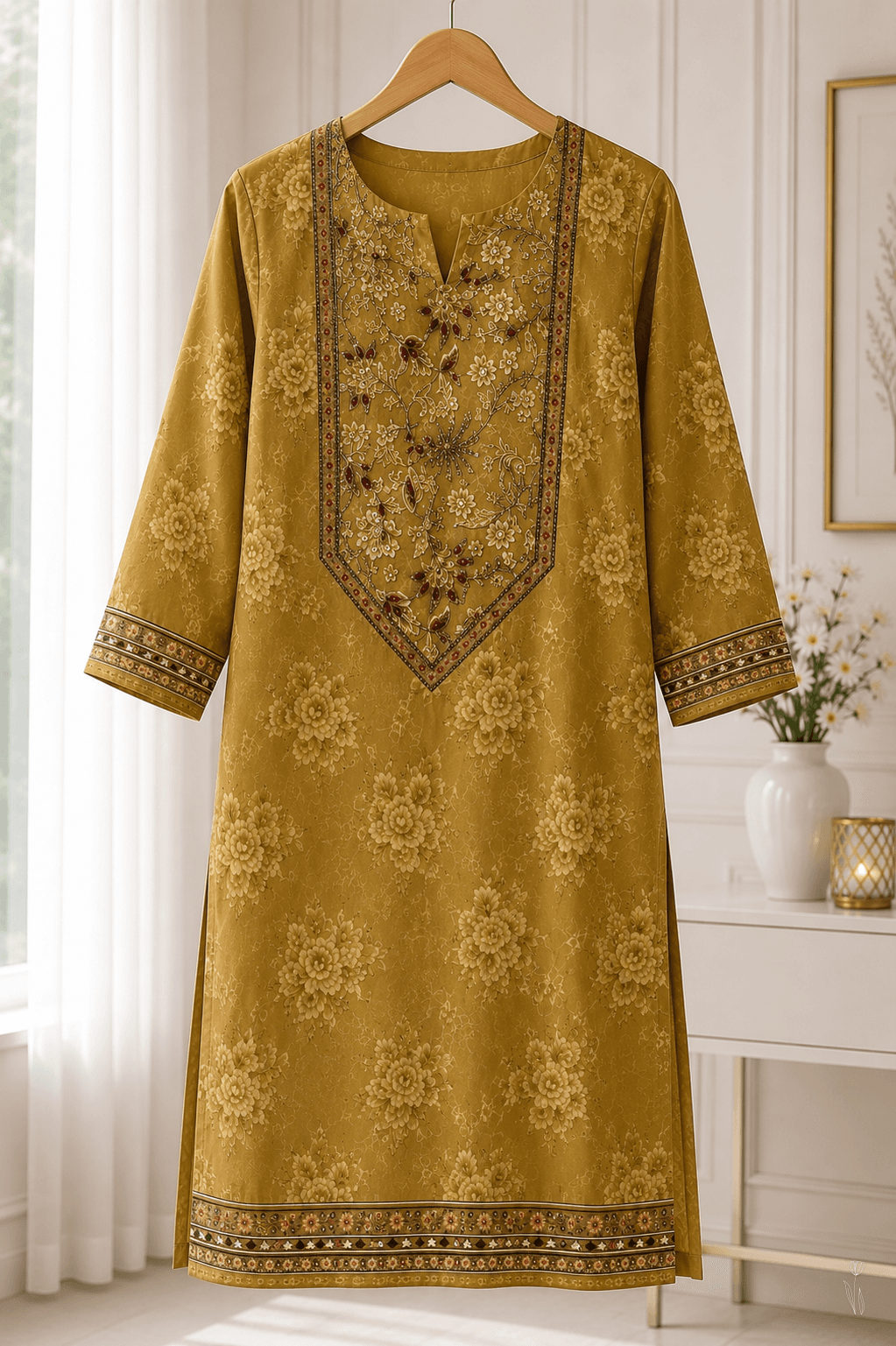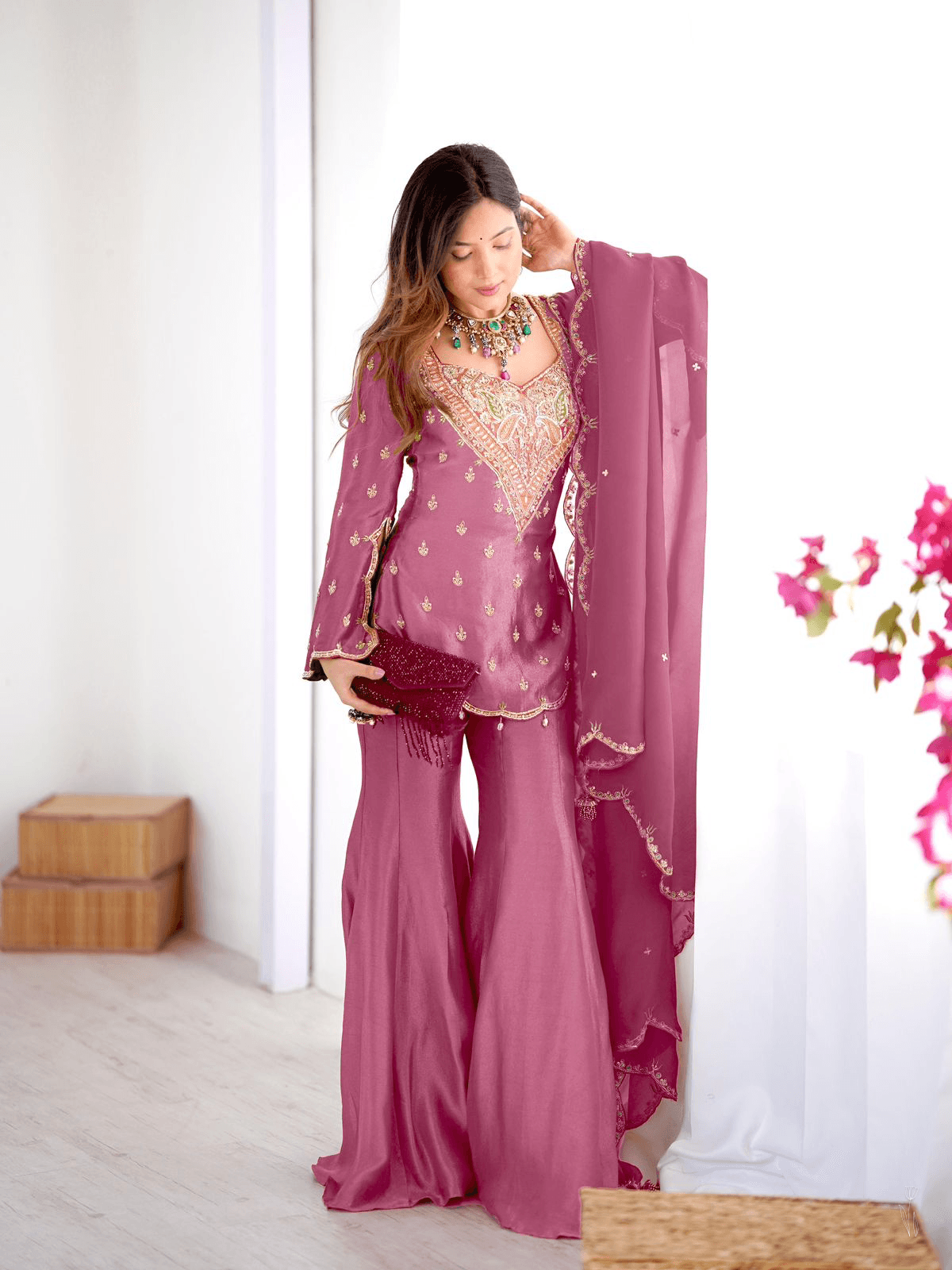
Kameez & Suits
Salwar Kameez & Anarkali: The Complete Guide
From the Mughal court to everyday life: the history, silhouettes and styling of South Asia's most versatile ensemble — from cotton three-piece to festive Anarkali.
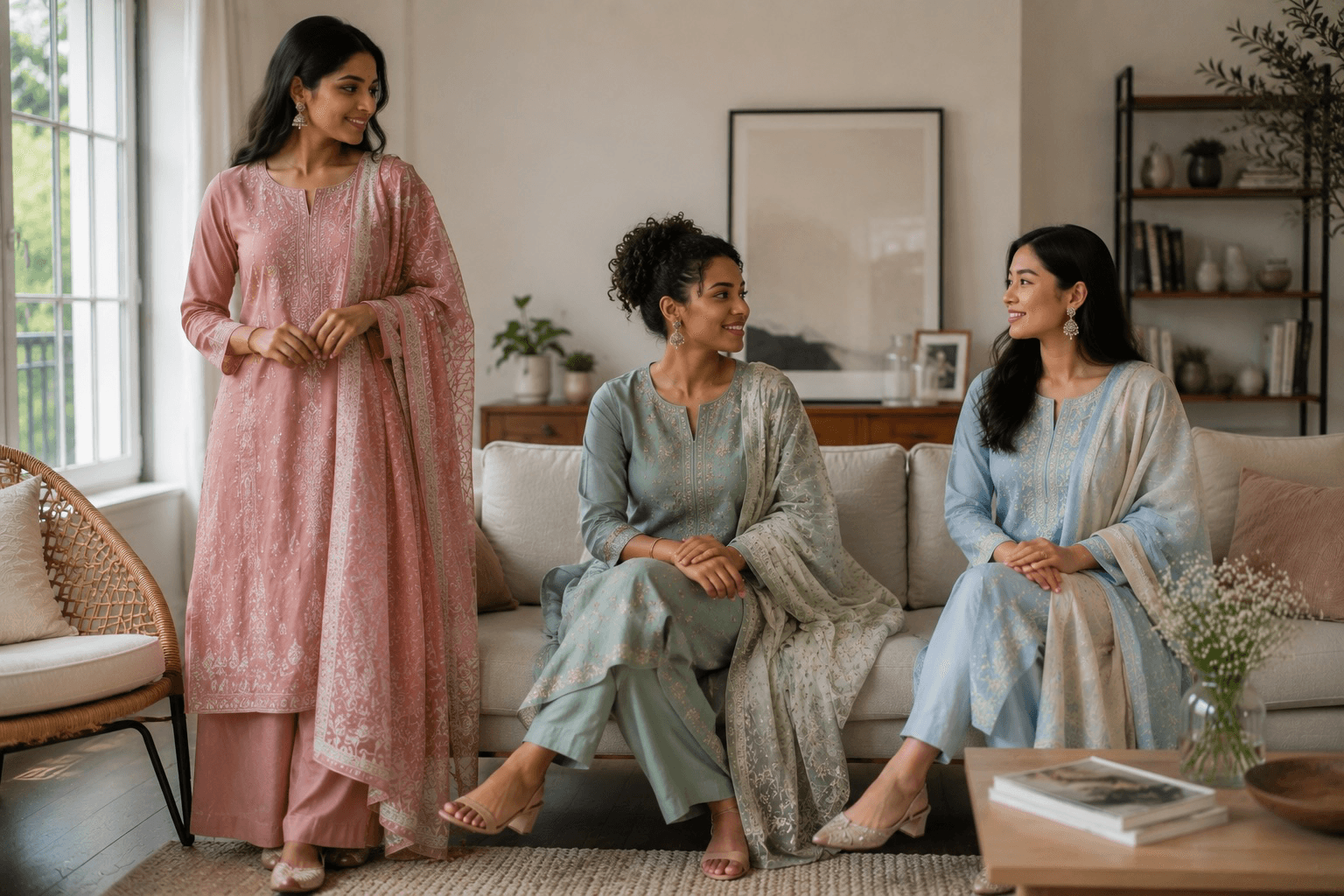
If the saree is the grand opera of South Asian wardrobes, the salwar kameez is its favourite song: wearable, comfortable, endlessly adaptable — with a history that travels caravan routes all the way to the Mughal courts.
Three pieces, a thousand possibilities
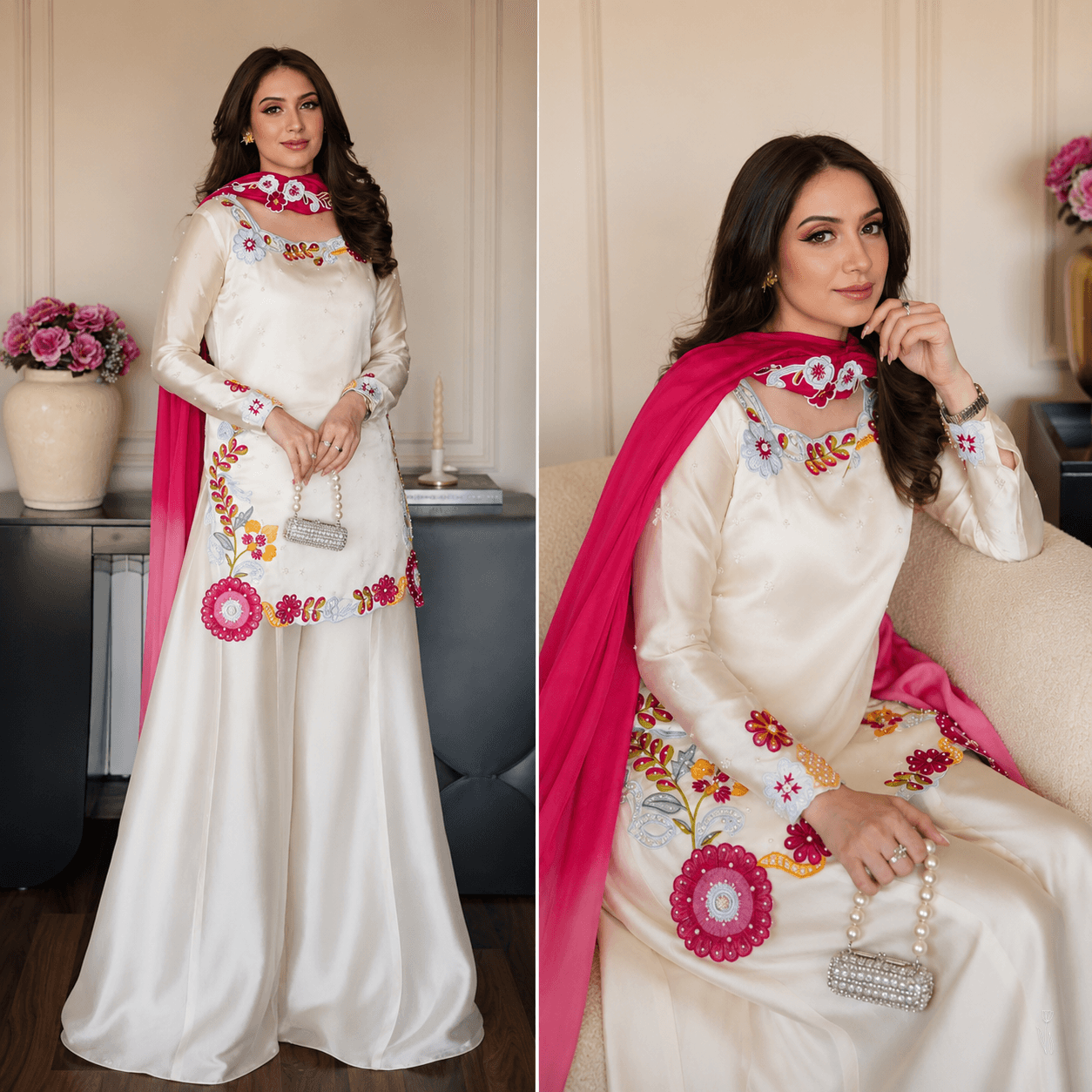
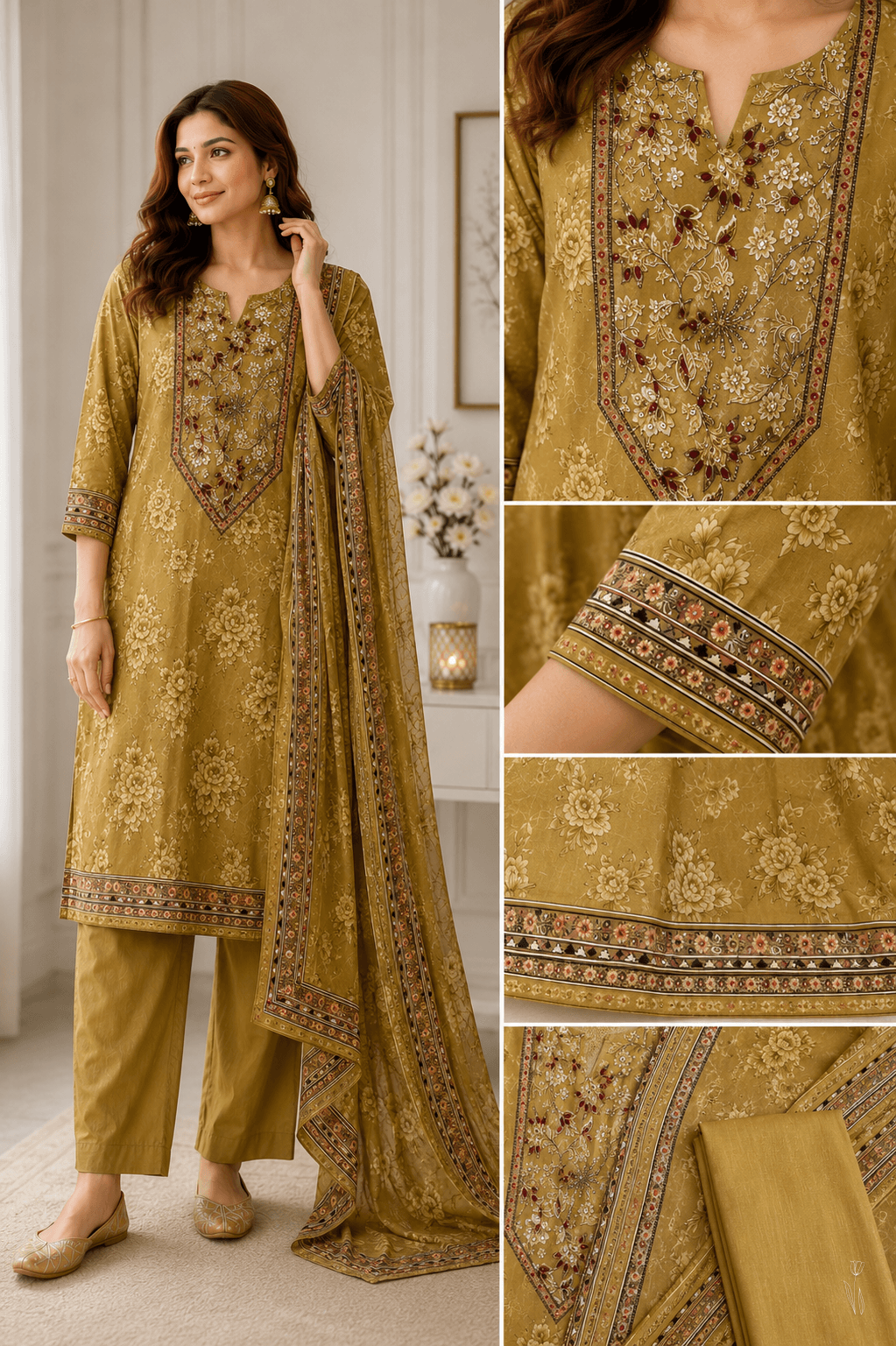
The classic ensemble consists of the kameez (the top, anywhere from tunic-short to floor-length), the salwar (trousers) and the dupatta (scarf) — in Bangladesh it is affectionately called the "three-piece". Stitched, tailored clothing reached the subcontinent with Central Asian and Persian influence and became court dress under the Mughals; later, Punjab above all made the salwar kameez its everyday regional dress, from where it conquered the whole subcontinent.
A short guide to silhouettes
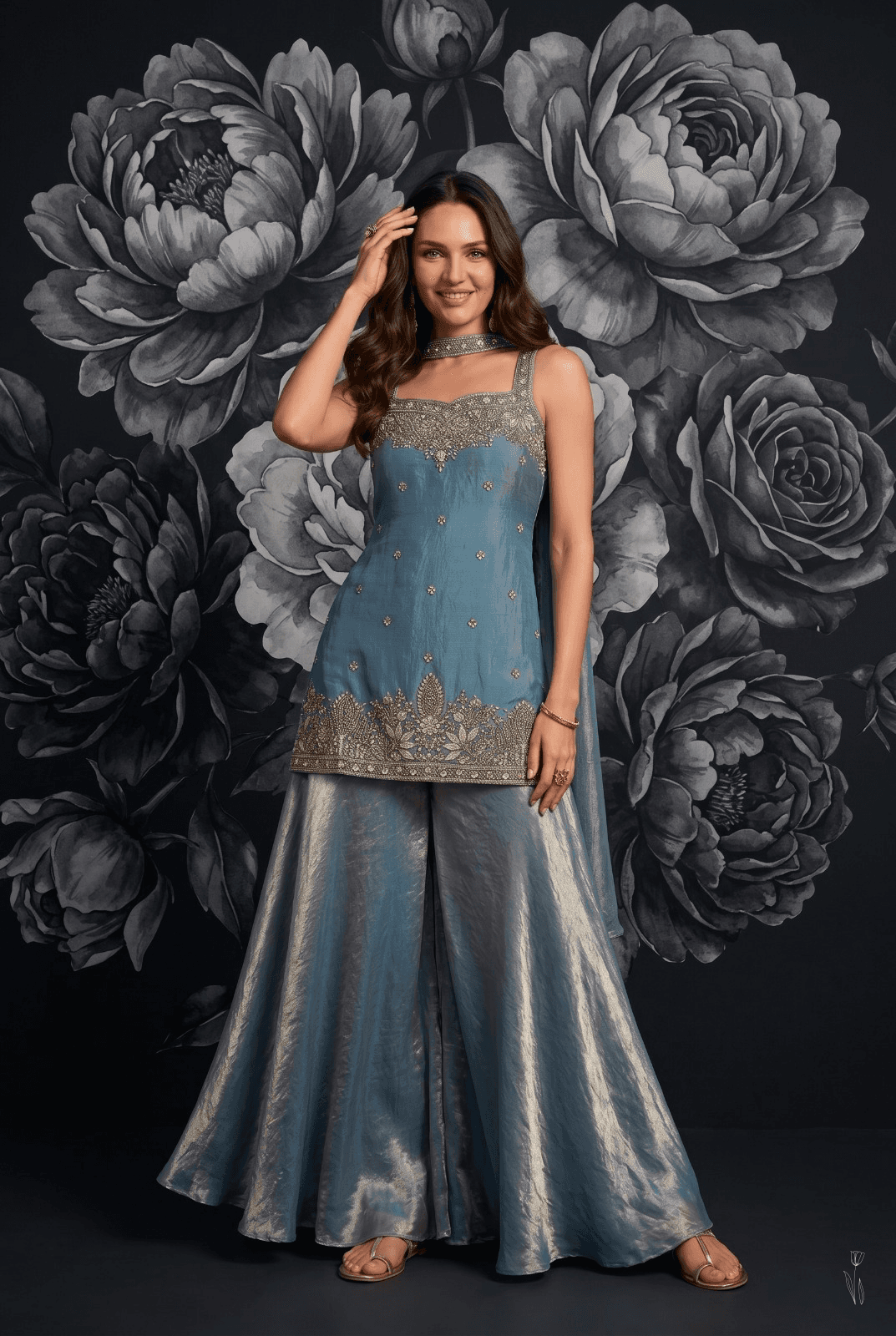
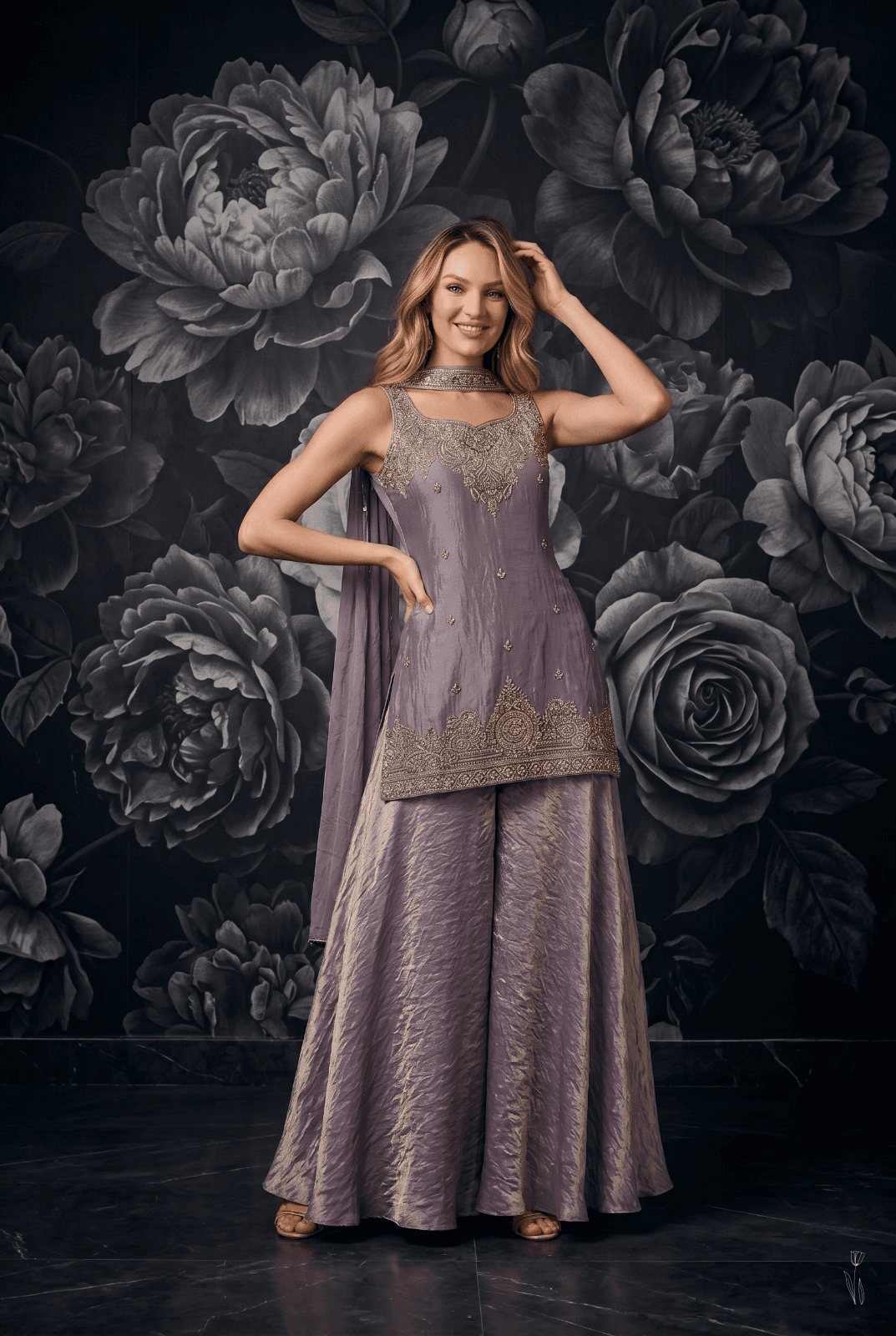
The salwar itself is a shape-shifter: roomy and easy as the classic salwar, fitted with gathered ankles as the churidar, wide and flowing as palazzo trousers, generously pleated as Punjab's patiala. The kameez ranges from a straight, knee-length cut to a swinging A-line dress. The dupatta, finally, is the stage for craft: embroidery, borders, block print.
The Anarkali: named after a legend
The most festive silhouette carries a name from Mughal legend: Anarkali — "pomegranate blossom" — is said to have been a dancer at Emperor Akbar's court, immortalised by literature and cinema (above all "Mughal-e-Azam"). The dress named after her — fitted at the bodice, then flaring into many panels — echoes courtly dance robes and is today the first choice for engagements, mehndi evenings and Eid: the drama of a gown with the comfort of a kameez.
Styling that works
Every day: cotton or lawn kameez with palazzos, dupatta loose over one shoulder. The office: straight-cut kameez in muted tones with churidar and slim jewelry. The festive night: Anarkali with statement jhumka earrings — dupatta over the arm or draped in front. In a German winter, a long coat over a kameez works surprisingly well; the dupatta doubles as a scarf.
Fit is everything
Unlike the saree, the kameez is tailored clothing — the size guide is worth a look (you'll find it on every product). Between two sizes? Choose the smaller for a straight cut, the larger for an Anarkali. And if you're unsure: just message us. Honest measurements and personal advice aren't extras at TULI — they're the default.
Shop the guide
Hand-picked and ready to order