The Lehenga: From Mughal Courts to the Modern Bride
Skirt, choli, dupatta — and centuries of craft: zardozi, gota patti and mirror work. What makes a bridal lehenga precious, and how to wear one today.
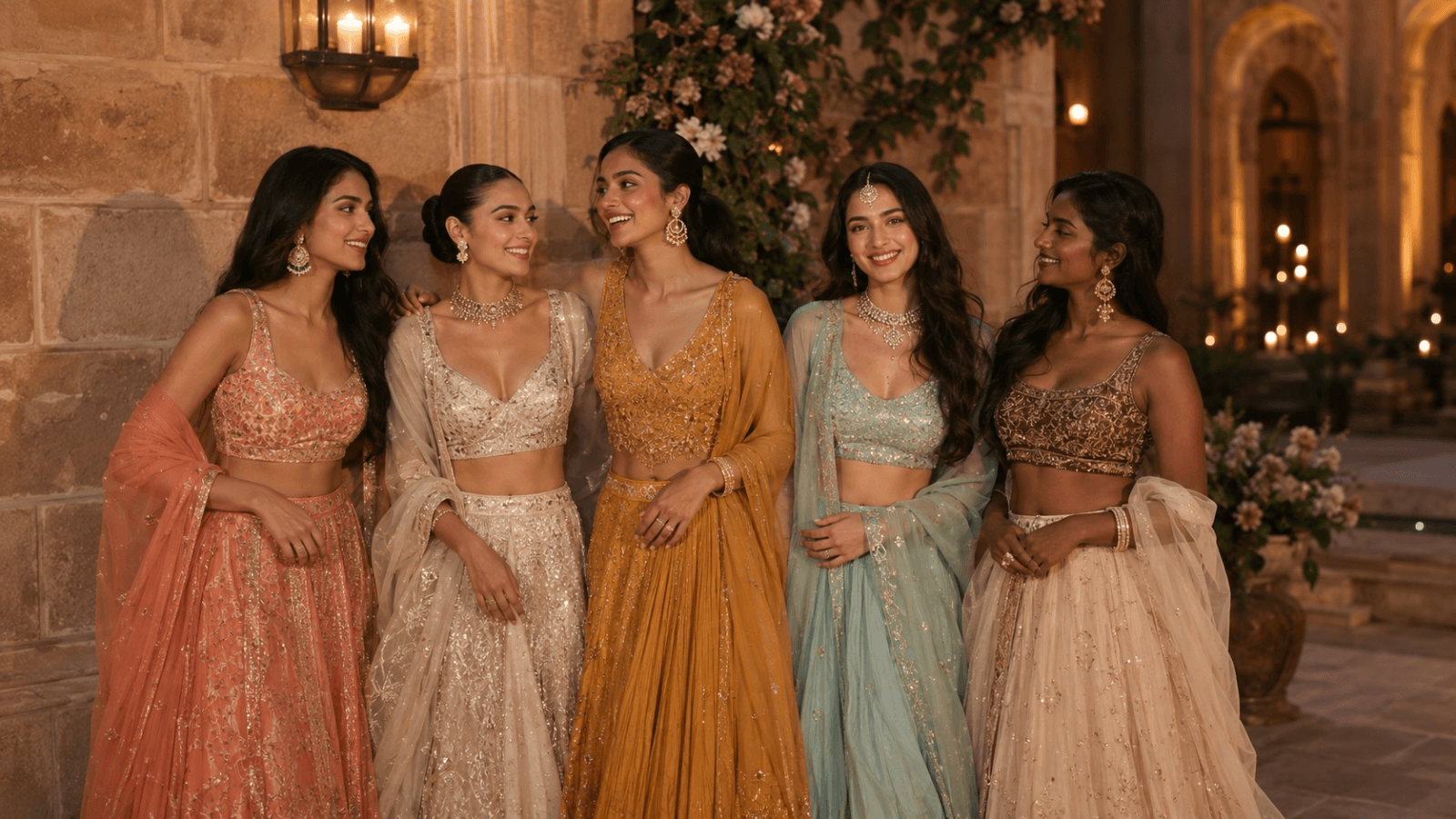
Few garments carry as much expectation as the lehenga: it is the centrepiece of South Asian bridal wardrobes — and a showcase for some of the subcontinent's most beautiful crafts.
From ghagra to lehenga
The full, twirling skirt has its roots in the ghagra choli of Rajput courts and the villages of north-west India; at the Mughal courts it merged with Persian-inspired splendour into the silhouette we know today: lehenga (skirt), choli (fitted bodice) and dupatta — often the true stage of the outfit, draped over head or shoulder.
Craft you read with your fingertips
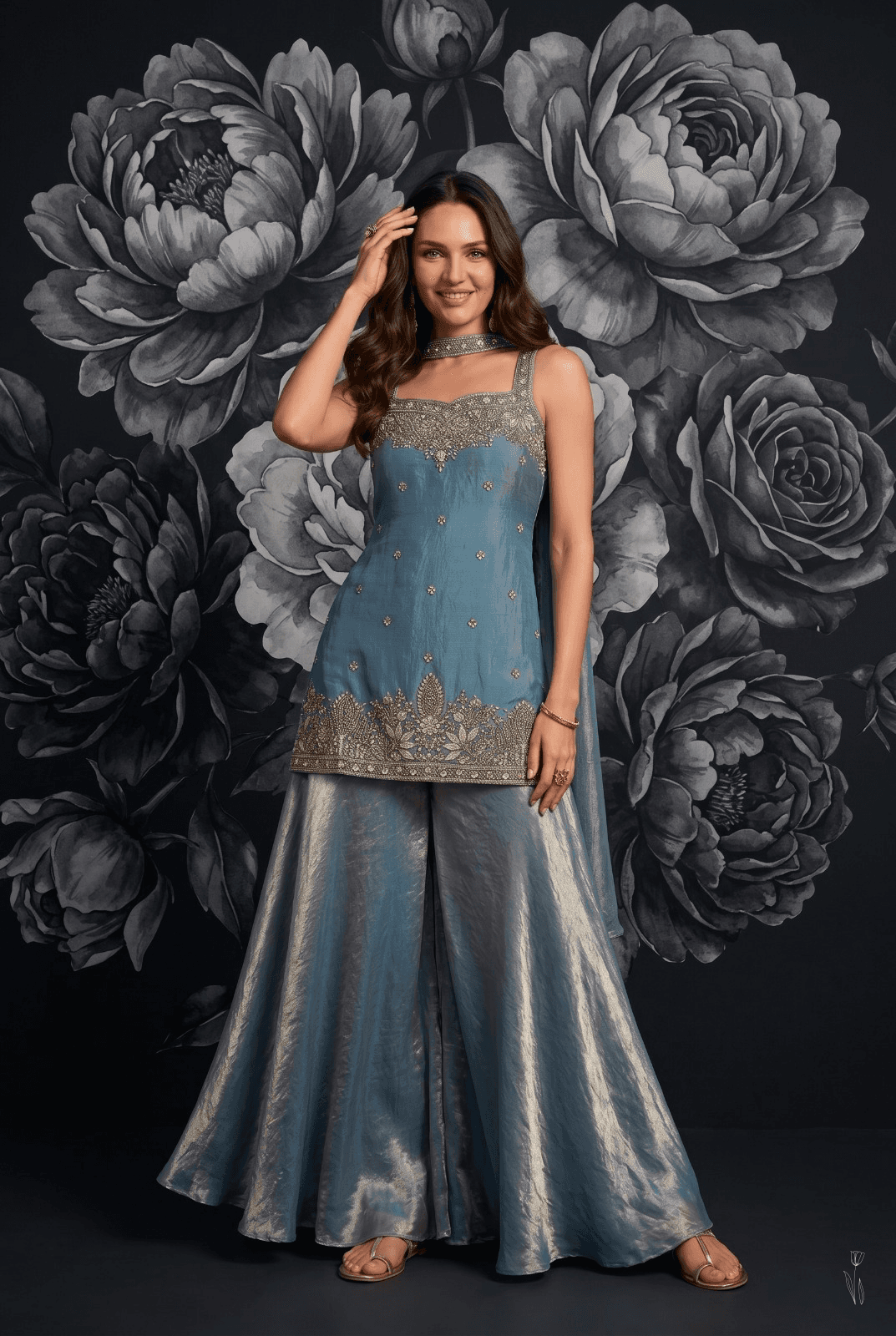
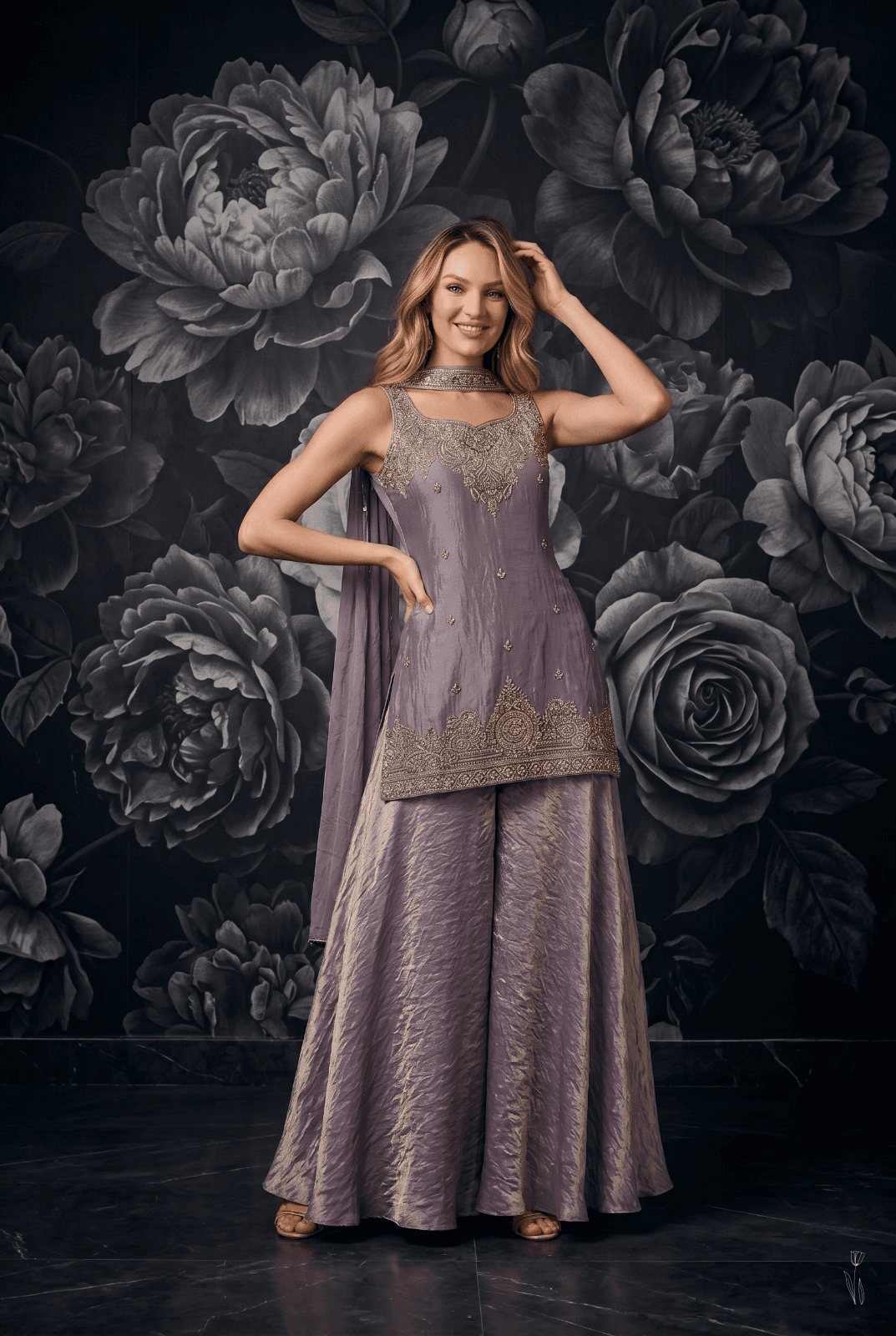
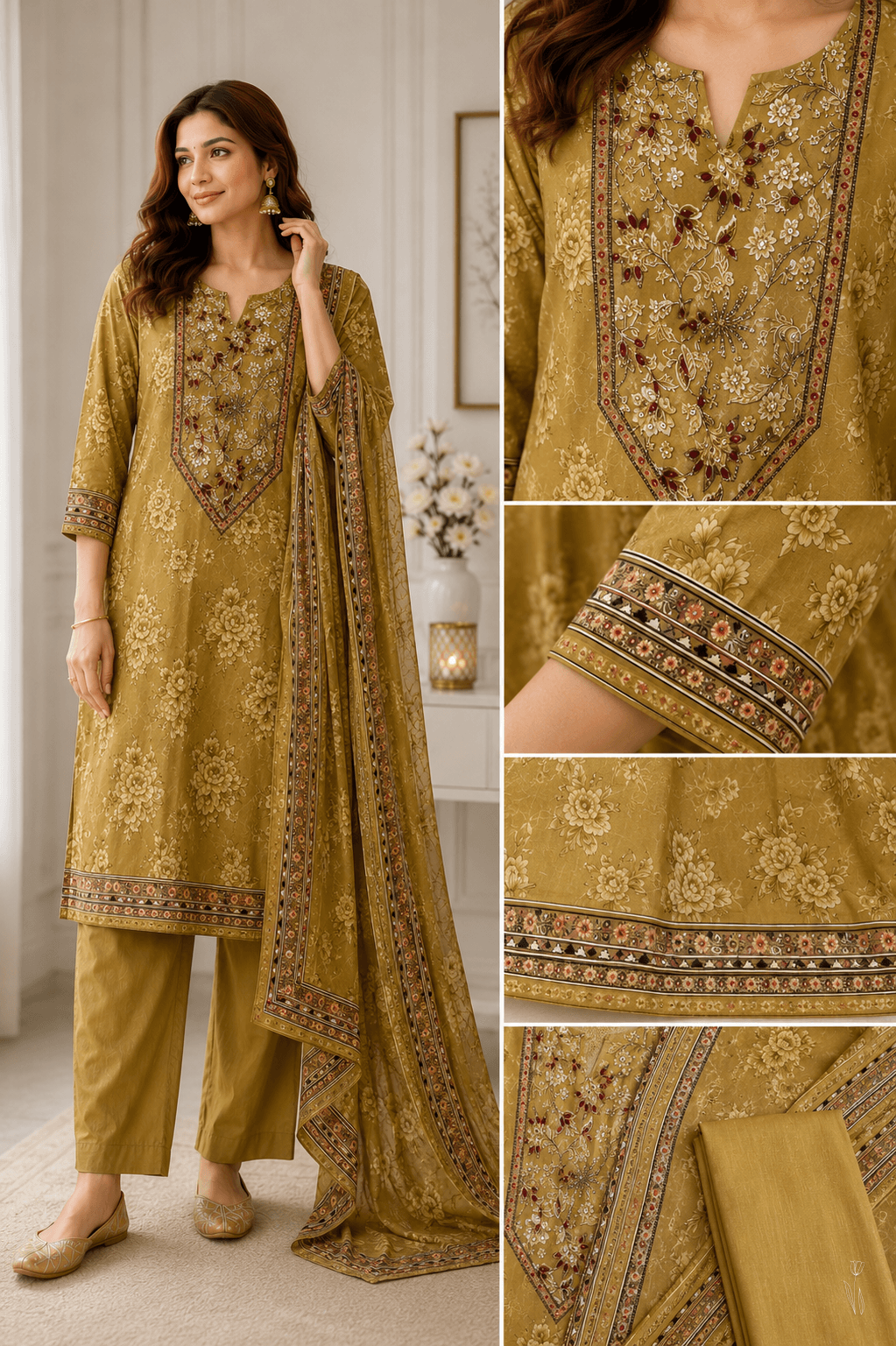
What distinguishes a great lehenga only reveals itself up close. Zardozi — metal-thread embroidery whose Persian name means "gold sewing" — flourished under the Mughals and is stitched to this day in centres like Lucknow, whose zardozi received a Geographical Indication in 2013. Gota patti from Rajasthan appliqués folded gold ribbon into shimmering patterns. Mirror work (shisha) from Gujarat and Sindh sews in tiny mirrors that make light dance. Hours become weeks here — and fabric becomes heirloom.
Why red — and why not only red
Across much of South Asia, red is the colour of joy, fertility and new beginnings — which is why so many brides marry in red and gold. But the tradition is more generous than Instagram suggests: Bengali brides love deep red with white borders, Pakistani bridal fashion celebrates blush and gold, modern brides choose sage, ivory or wine. Our position: the colour has to suit the woman, not the algorithm.
The lehenga beyond the wedding
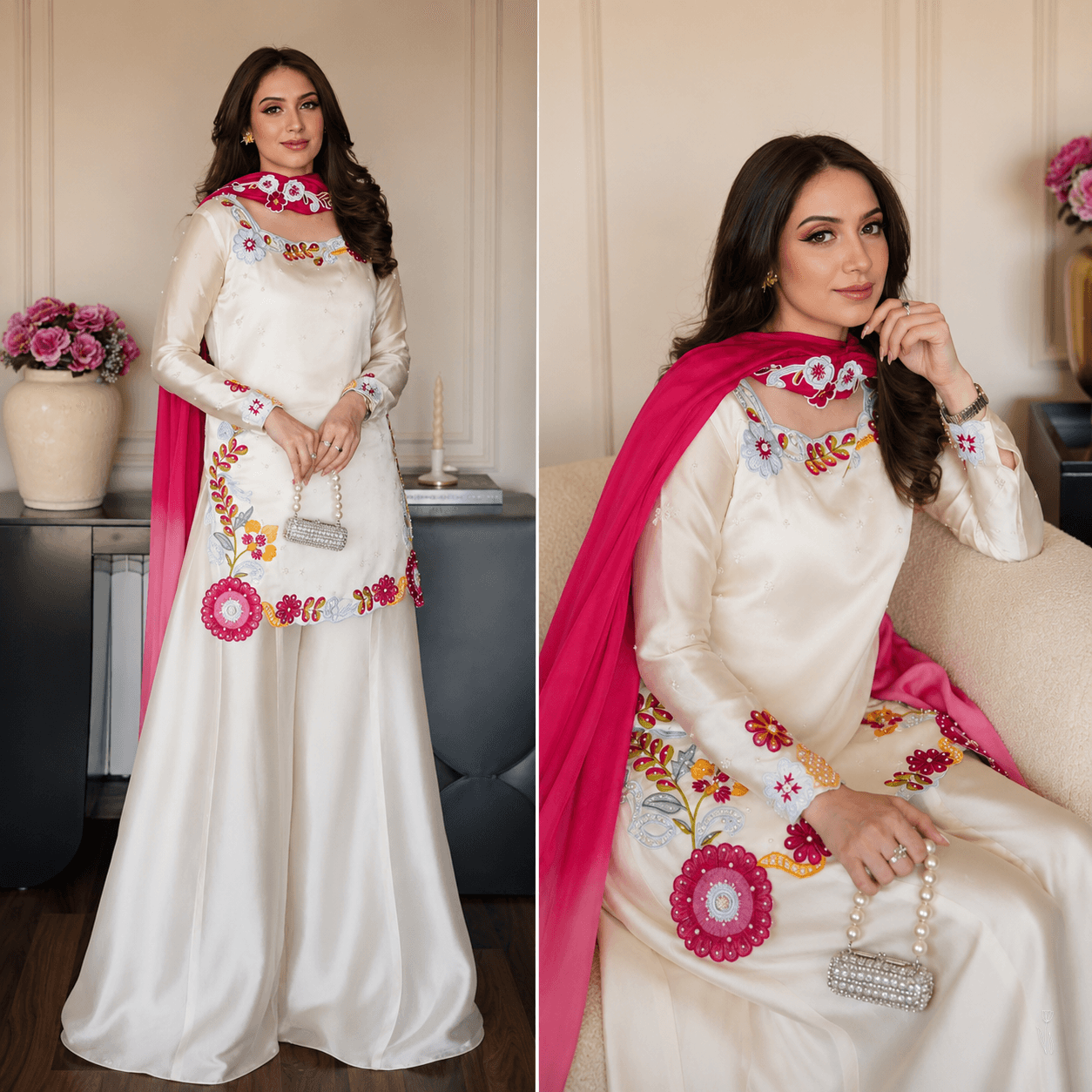
A lehenga is not a single-use dress. The ensemble separates beautifully: the choli with tailored trousers, the skirt with a silk blouse, the embroidered dupatta over a plain kameez. For guests, lighter lehengas with restrained embroidery are a wonderful alternative to an evening gown — at sangeet, walima or Eid celebrations anyway.
An honest note to finish
Real hand embroidery has its price because weeks of concentrated handwork live inside it — and it ages with dignity, while machine glitter tires quickly. We select our festive pieces by exactly this standard and will tell you honestly what you are holding. To us, that too is what service means.
Shop the guide
Hand-picked and ready to order