Sarees
What Is a Saree? A Beginner's Guide
What makes the saree the world's most graceful unstitched garment: its parts (pallu, blouse, petticoat), fabrics, occasions — and how to choose your very first one.
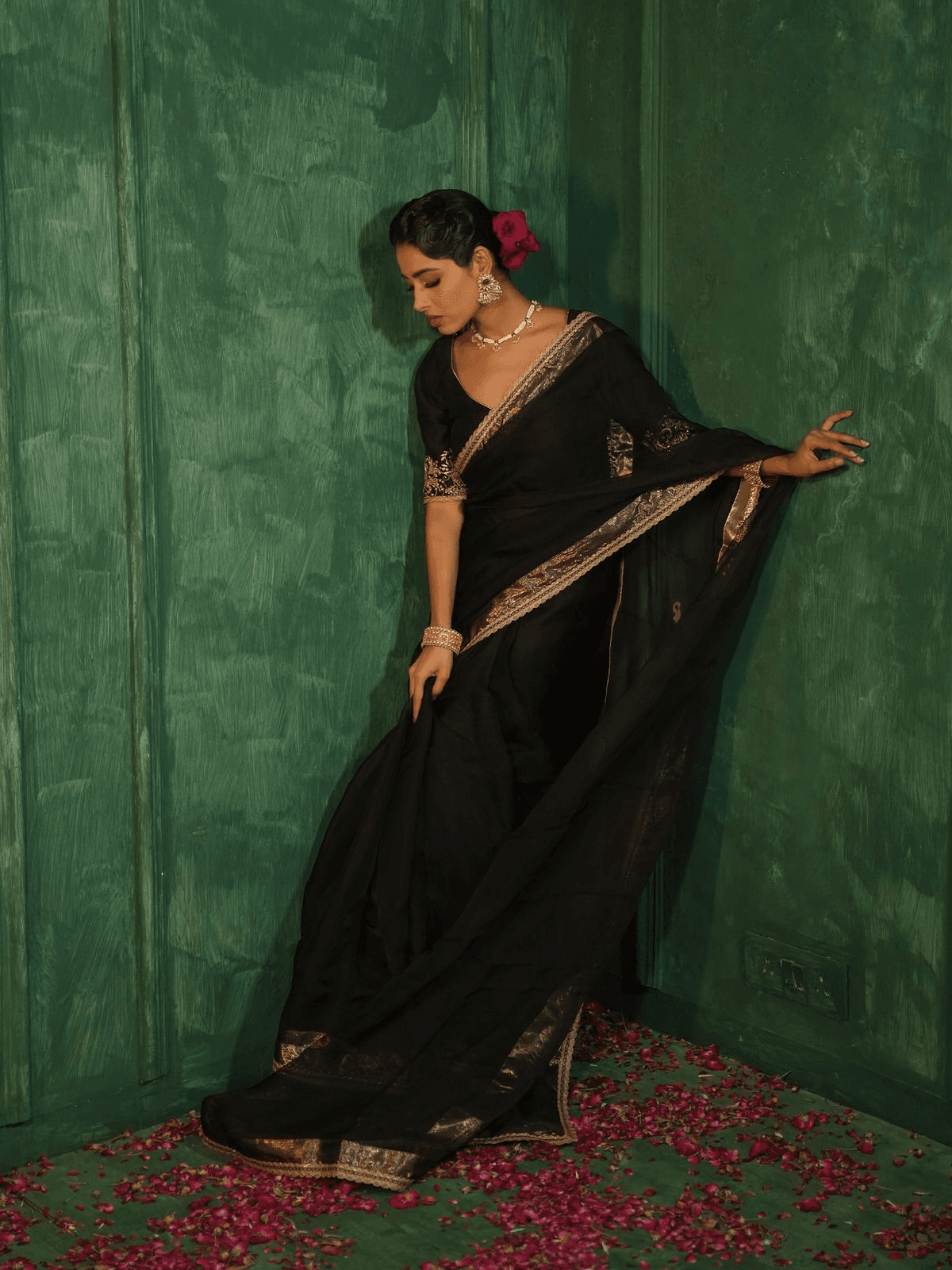
A saree (sometimes spelled "sari") is one of the oldest garments in the world still worn today — and perhaps the most elegant. If you are wondering "what exactly is a saree, and how do you wear one?", you are in the right place. This guide explains everything a beginner needs to know.
A length of cloth that becomes a garment on the body
A saree is an unstitched length of fabric, usually five-and-a-half to nine metres long and about 1.1 metres wide. There is no zip, no buttons, no pattern — the shape is created only by draping it on the body. That is what makes it special: the same saree adapts to any figure and can be tied in more than a hundred ways.
The three parts of a saree look
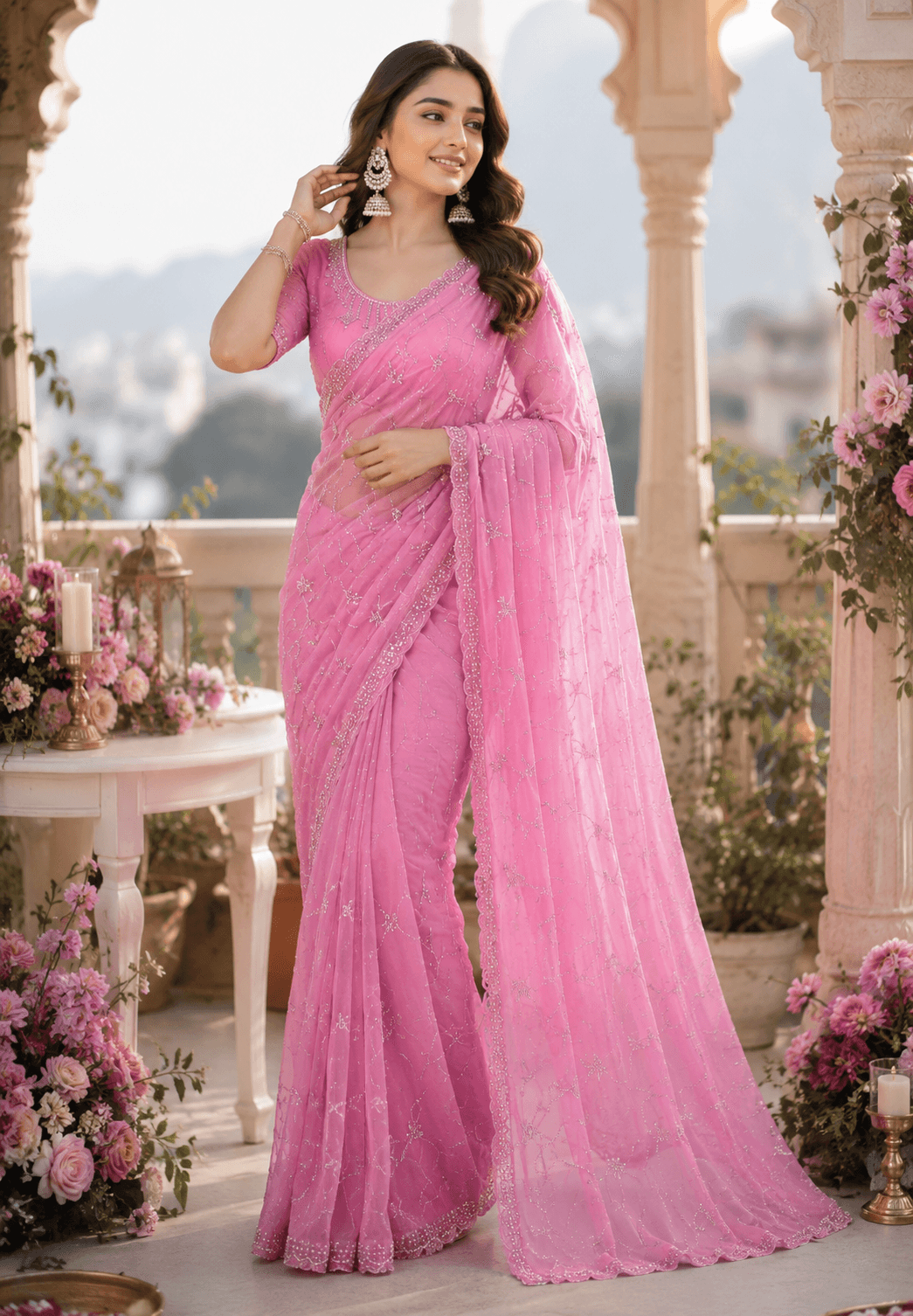
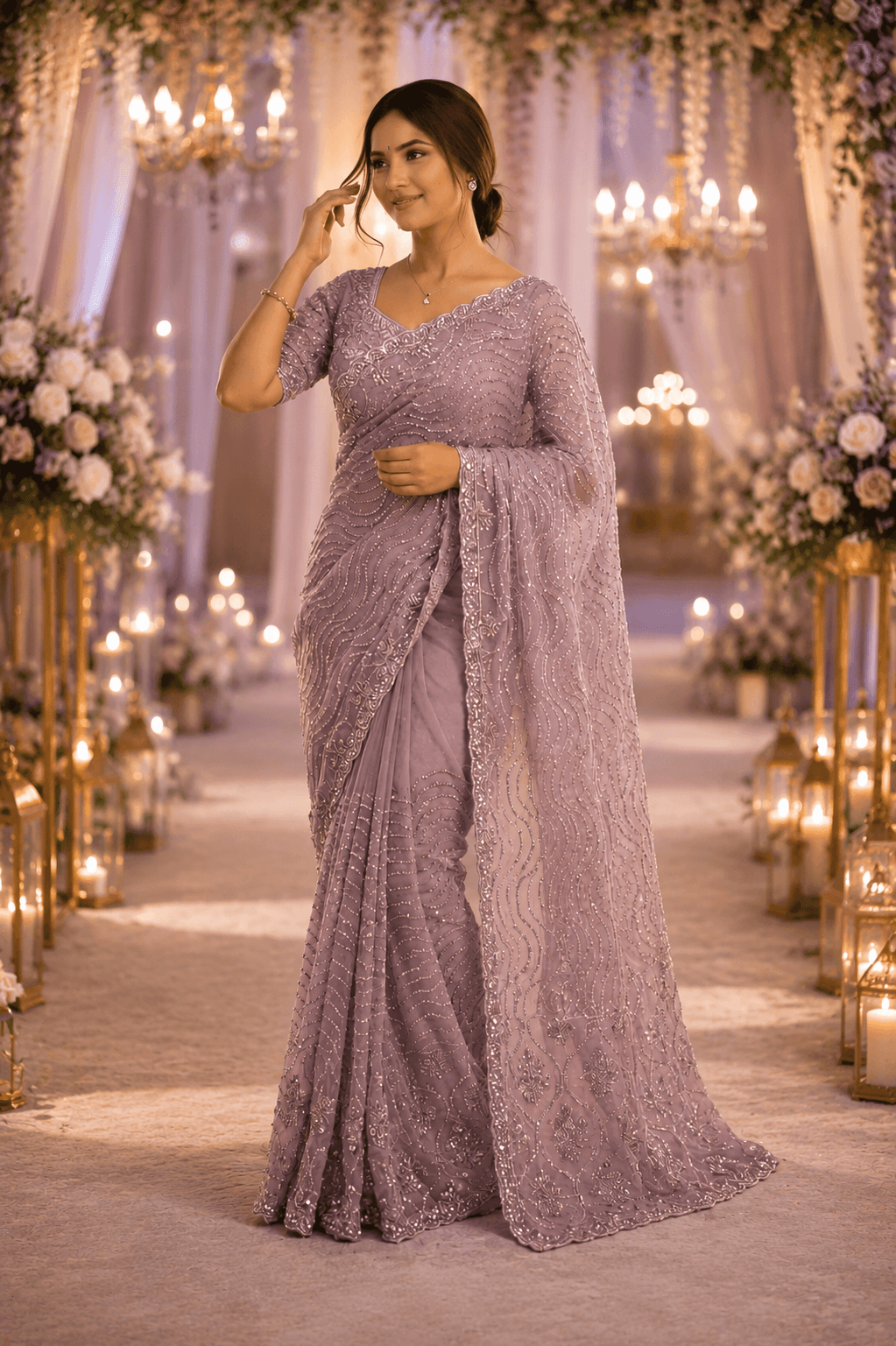
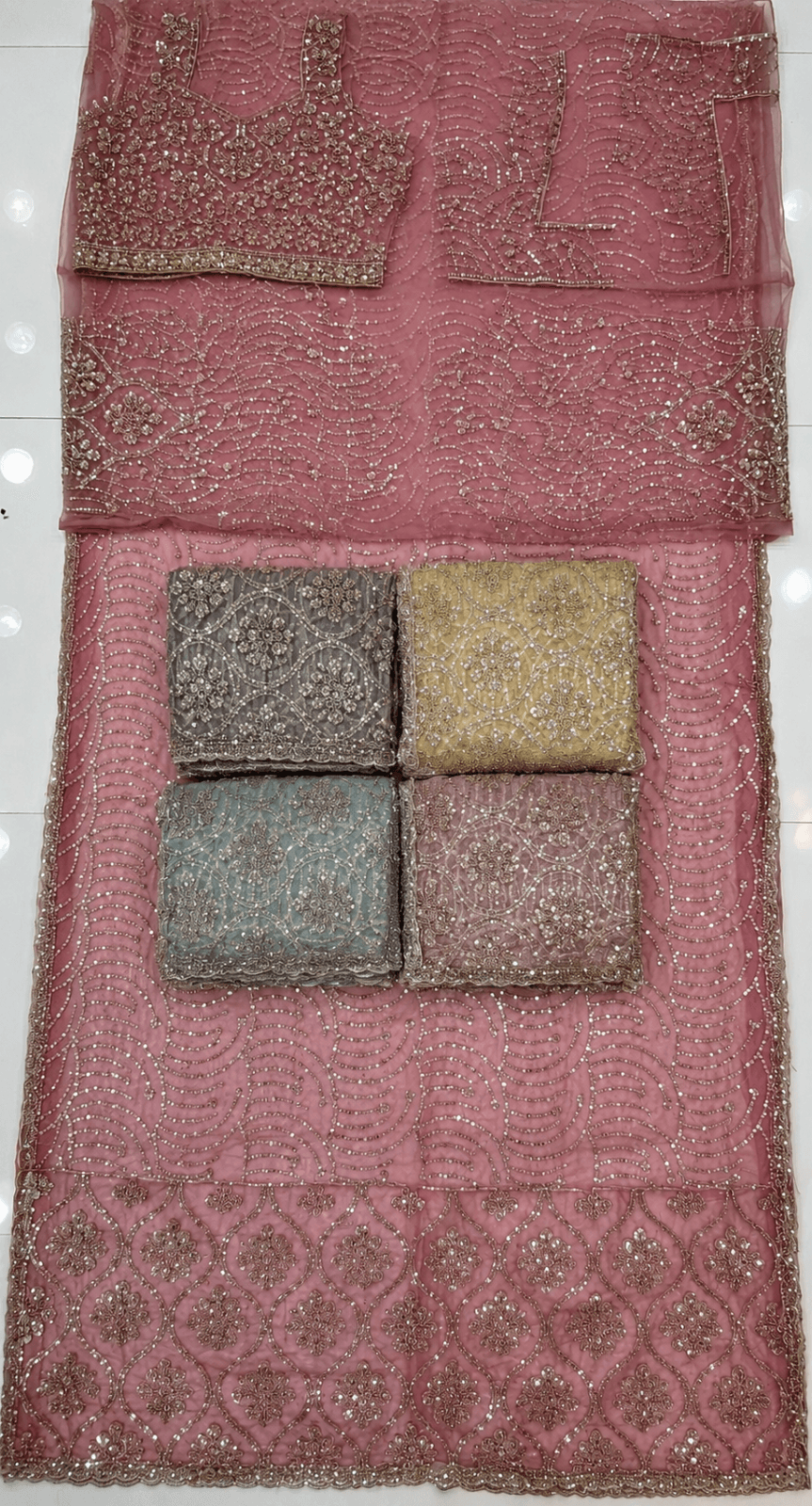
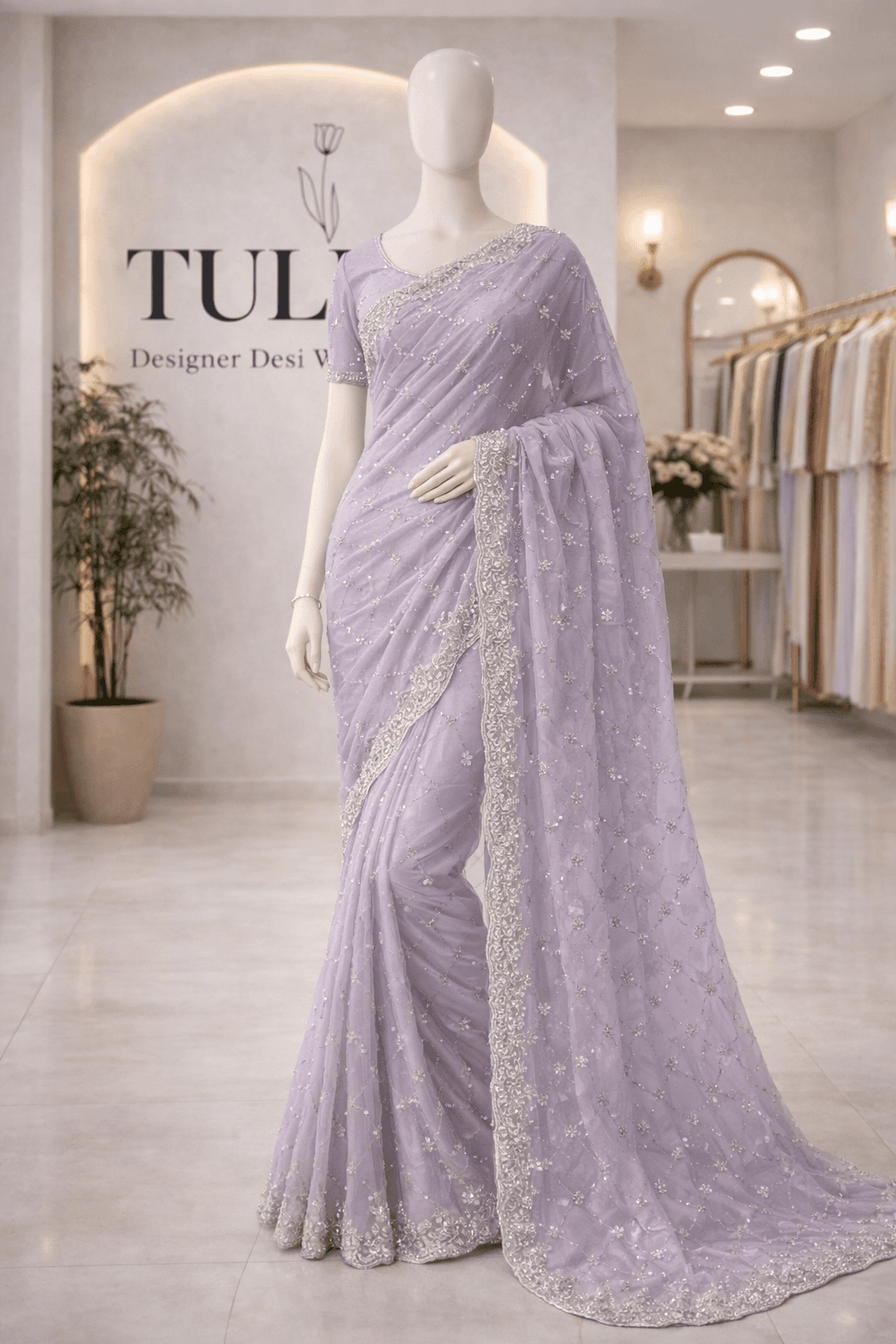
A complete saree look has three parts. The saree itself is the long length of cloth. The blouse (choli) is a short, cropped top — a matching, still-unstitched blouse piece often comes with the saree and is tailored to fit. The petticoat is a simple drawstring skirt that anchors the pleats and gives the saree its shape.
Pallu, pleats and the anatomy
Two words come up again and again. The pallu is the decorative end that falls over the shoulder — usually home to the finest border and embroidery. The pleats are folded at the front and tucked into the petticoat; they give the walk its flowing movement. Today's most familiar drape is the Nivi style from Andhra Pradesh.
Which fabric for whom?
With a saree, the weave is everything. Georgette and chiffon are light, fall softly and are ideal for beginners. Silk — a Banarasi from Varanasi or a Kanjeevaram — is festive and refined. Jamdani, finely handwoven in Bangladesh, feels like woven air. Cotton is breathable and everyday-friendly. Rule of thumb: the lighter the fabric, the easier the drape.
Which saree for which occasion?
For weddings and walima, reach for rich silks in deep tones. For Eid and festive evenings, jamdani or chiffon with subtle zari work beautifully. For the registry office or a dinner party, plain silk with statement jewelry is plenty. Our saree collection has a piece for every occasion.
Your first saree: how to choose
Start with a light georgette or chiffon saree in a colour you love — it forgives beginner mistakes and drapes quickly. Plan to have the blouse tailored, and keep a few safety pins handy; professionals use them as a matter of course. And if you are unsure, message us. We advise personally — by chat or video call.
Frequently asked questions
Is it "saree" or "sari"?+
Both are correct. "Sari" is the older, shorter spelling and "saree" the one common in retail — they mean the same garment.
How long is a saree?+
Usually 5.5 to 6 metres, about 1.1 metres wide; some drapes use up to 9 metres. A blouse piece and a petticoat complete the look.
Can I wear a saree as a beginner?+
Yes. With a light fabric, a short tutorial and a few safety pins, the Nivi drape comes together in minutes. We are happy to help personally.
Do I need a blouse and a petticoat too?+
Yes, both belong to the look. The blouse piece often comes with the saree and is tailored to fit; the petticoat gives the saree its shape.
Which saree suits a wedding in Germany?+
As a guest: silk, georgette or chiffon with subtle zari. In winter, a shawl or cape jacket over the pallu keeps you warm — elegant and practical.
Shop the guide
Hand-picked and ready to order